The Operator
A lifetime of building things that work.
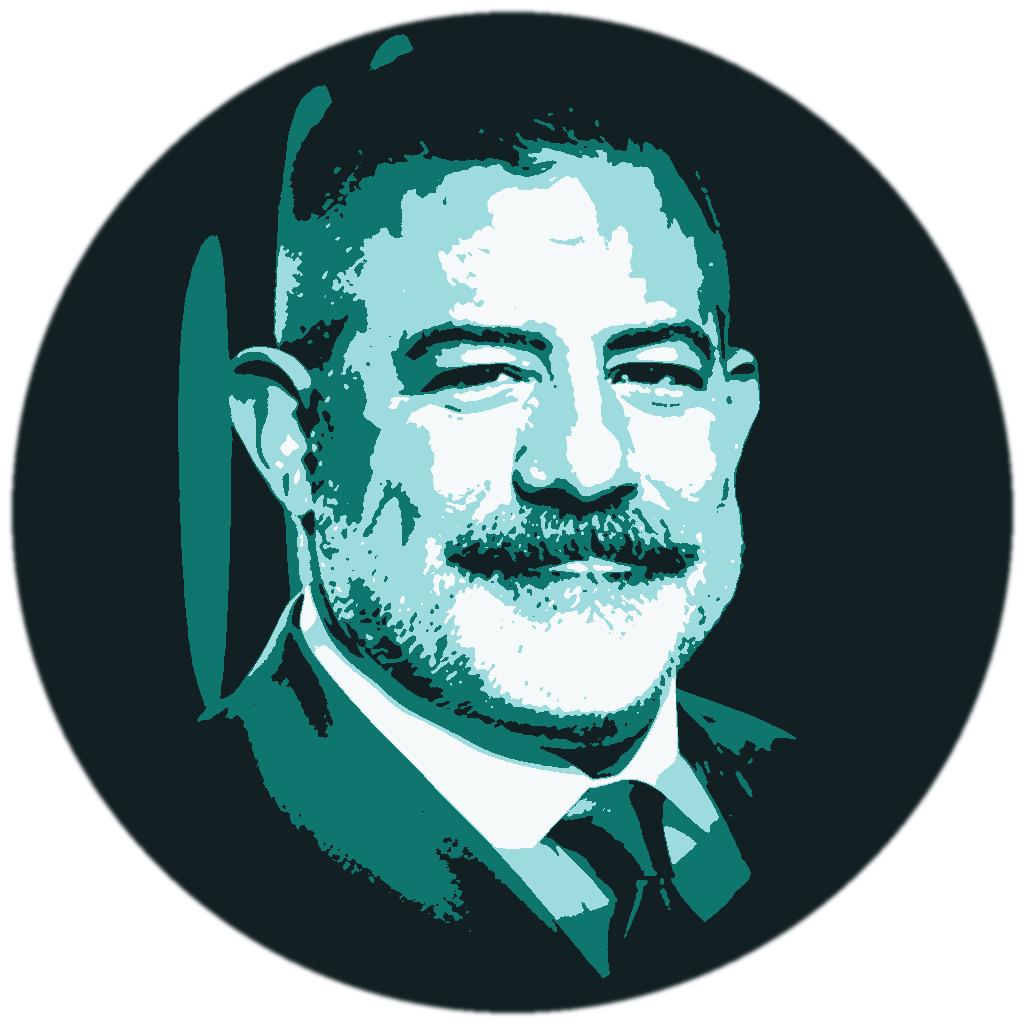
Ildana’s founder started at eleven with a lemonade stand beside a construction site. The lemonade money became breakfast and lunch inventory, a doghouse became a supply cart hitched to a go-kart, and one site became two. Not a metaphor. An actual first business, built from what was on hand.
The career that followed climbed from grocery to retail, retail to tech support, tech support to telecom, and telecom to transportation and logistics, finishing in a board-level executive seat, with consulting threaded through the years between.
One early stop deserves its own line: a photography and video company, back in the founder’s twenties, that offered something rare for that stage of a career. The freedom to pull levers and watch what happened. Change this process, and what moves? Price it that way, and who shows up? It became the first laboratory: cause and effect, supply and demand, and the habit of standing in the customer’s shoes to learn which improvements actually move the dial and drop to the bottom line, and which just feel good. That habit never left.
Close to half a century of hands-on experience sits behind every engagement as bench strength and depth, and it runs the whole ladder, from client satisfaction agent to the executive seat. So the front line’s reality and the boardroom’s math both come standard: budgets, fiscal discipline, the P&L used as a tool rather than a scorecard. None of it came from a lecture hall, and none of it was memorized for an exam. It was learned in rooms where being wrong costs real money, which is why it holds up in yours.
The most recent proof the method travels: the founder is not a programmer. No Python, no years at a software company. Yet a security product for the AI industry is taking shape in the forge, built the same way every other operation got fixed: watch how the work flows, learn the crafts it needs, and build the thing.
Your people are the strategy. Technology is the accelerant. Get that backwards, and you’ll automate yourself into a corner.
The Record
One company, start to finish.
The transportation company was a family-run limousine operation doing roughly six million a year: no SOPs, departments colliding, casual overtime through the roof, and desktop towers so old that staff made coffee for half an hour while they booted. Five years of rebuilding later, it carried twenty-two million in scheduled revenue on a global affiliate model. The pivotal move: convincing ownership to sell the drivers their own vehicles and re-engage them as independent operators, turning a fleet liability into a network that could scale worldwide.
Then COVID emptied the roads. For a company that moves people, quarantine meant losing nearly all of the business at once. The CEO stepped down, and the founder took over operations. What followed was workforce maneuvering at its leanest: down to eleven people including the board, completely flat, no management layers, every remaining role reshaped around the work that still existed, hours matched to the task and pay matched to output. The office floor was given up and the whole operation went fully virtual, a jump made possible by the SOP mapping every department had just finished. Negotiated expense reductions offset 80% of the lost sales. More than once the numbers told us we would not make the next payroll. The doors stayed open anyway. And when travel came back full throttle with 60% of the global affiliates gone, the company got rebuilt a second time.
- P&L optimization, forecasting models, org design: structures with clear roles and accountability that outlast any one leader.
- A servant leader by conviction: success is measured by the growth of the people around the work. Teams that outlast the engagement are the goal. They always have been.
Trying to work out where AI fits without losing what makes your business good? Let’s talk.
Start a conversation